-
by William G. Nicoll, Ph.D.
A report published some three decades ago by the Center for Social Policy at Harvard University concluded that our social service systems were failing to adequately address the needs of at-risk youth (Weissbound, 1991). The primary reason, they concluded, was that social service professionals (mental health, drug treatment, medical health, educators, social workers, and so forth) tend to function largely in isolation from one another and within all too narrow and rigid areas of focus or concern.
Schools focus on academic achievement, health agencies on physical illness, drug programs on drug abuse, mental health professionals on mental-emotional disorders and so forth. Unfortunately, child and adolescent problems seldom present in such neat, tidy, and distinct categories. A much wider lens is required to fully comprehend the involvement of multiple contributing factors. Youth daily navigate through multiple cultural environments: their family culture, school culture, the classroom cultures set by varying teachers, peer and community cultures, socioeconomic cultures, religious cultures, and so forth. All impact healthy, or not so healthy, development.
As an example of this complexity, an adolescent female may fail to attend school and thus get failing grades and eventually quit because she must stay home and care for her younger sibling due to parental drug/alcohol abuse, parental work schedule, or domestic violence. This, in turn, may continue a multi-generational pattern of low education, unemployment, poverty, depression, substance abuse, and physical and mental health problems. Or a 12-year-old female dealing with parental neglect and impoverished living conditions is bullied at school. This results in her fighting with the bully and consequently the school enforces an automatic policy of a 5-day school suspension (a proven counterproductive discipline strategy). While suspended, this girl finds pseudo-affection/connection with a 17-year-old male drop-out resulting in her pregnancy and becoming a mother by age 13.
An additional example is that of a 13-year-old male failing in school and being routinely reprimanded for failing to turn in assignments or complete schoolwork. The school counselor focuses on teaching him skills for maintaining an “assignment notebook” to help him keep track of his homework. However, the fact that he lives with an alcoholic grandfather, and cares for a bed-ridden, dying grandmother while his military father is abroad in a combat zone and his mother is in prison is ignored as a factor in his school adjustment difficulties.
Similarly, a child presenting with diarrhea and stomach aches is referred to a nurse and is given medications. The etiological factors beneath the physical symptoms such as emotional distress caused by divorce and peer bullying are left unaddressed. All too often our social service systems treat each person and each symptom in isolation. As the Harvard study concluded, it is all too often a “program for every person, a treatment program for every problem.” Much too often, little or no consideration is given to possible multi-etiological dynamics involved in child and adolescent adjustment difficulties.
Indeed, at times, the understanding of child/adolescent difficulties begins to remind one of the Buddhist and Hindu fable of the seven blind men and the elephant. As the seven blind men come across an elephant for the first time and seek to identify what an elephant is, each focuses on a separate body part instead of the whole. Consequently, each is paradoxically both correct in his/her conclusions from the limited scope of exploration but also incorrect in fully understanding what an elephant is. Counsellors too, often fall into this “too narrow a lens” trap!
Widening Our Counselling Lens?
Counsellors would likely be better equipped to design appropriate prevention and intervention programs for children and adolescents if their training included assessing the multiple cultural contexts impacting children’s lives (i.e., widening their viewing lens). These include: the family system, school cultures, classroom environments, community culture, and peer culture as well as how these systems, in turn, impact one another in both productive and counterproductive ways.
The Adverse Childhood Experiences (ACEs) research of recent years adds to the importance of addressing family, school, and community cultures in examining social-emotional adjustment difficulties (Anda & Felleti,1998; Barth et al., 2008; Pierce et al., 2022).
Indeed, research has consistently indicated that family dynamics account for more of the variance in student achievement than all the instructional variables combined and significantly impacts motivation, self-esteem, and behavior (Goode & Brophy, 1986; Ishak et al., 2012; Steinberg et al., 1992). Moreover, studies have also documented that school culture, not curriculum or organizational strategies, is crucial in determining school quality, student success, and social-emotional adjustment (Bayer & Hurriyat, 2021; Goodlad, 1989; Moses, 2019; Resnick et al., 1997; Rutter et al., 1983).
How can any counsellor then effectively assess and intervene in addressing child/adolescent adjustment difficulties without some training in the role of family systems/family counseling, school culture effects, and community culture impacts on youth development? Yet, we continue training in isolated specialization areas (e.g., family, school, mental health). And, what of the need for other social service professionals to be trained in basic counselling skills? Should not counselling organizations and university programs seek to offer all social service front-line professionals training in basic counselling knowledge and skills? As stated in that 30+ year old report, “It is still the atypical worker, and not the typical one, who can draw on some knowledge in all of these areas” (Weissbound, 1991, p. 9).
Avoiding the Narrow Lens of Guilds and Silos
Farmers store their harvests in separate silos, one for each product (wheat, rice, corn, etc.). Human service professionals, including counsellors, are very similarly trained only within their respective “professional silos.” Such separated training programs for those engaged in promoting the wellbeing of children and adolescents (mental health counsellors, school counselors, family counselors, teachers, administrators, special education teachers, social workers, law enforcement, health professionals, and so forth) lead to the all too narrow, mistaken perspectives of the blind men and the elephant. Each is educated in isolated departmental “silos.” But, the complexity of the problems and issues impacting youth suggest a need for the “cross fertilization” of professional knowledge as well as experiences in collaborative assessment and development of preventive and intervention programs across the human services disciplines.
In past centuries, professional guilds were formed to protect professional standards. Guilds served the function of reducing competition and protecting the economic and social status interests of those in that guild. However, such benefits to guild members were not necessarily always beneficial to the general public. Perhaps as human services professionals, we have fallen into a similar pattern of training in isolated silos and forming guilds that can also have adverse effects for the public.
So, the questions become those of: How do we advocate for the counselling profession (an IAC objective) while simultaneously seeking to improve people’s lives and well-being by sharing our professional knowledge with other “front line” workers? How do we balance the need for both highly trained counselling services while also helping to provide needed services in those areas where such training is absent, yet mental health services (preventive and intervention) are much needed? And, finally, how do we begin breaking down our own intra-professional counselling specialization silos and widen the viewing lens of all counsellors?
William G. Nicoll, Ph.D. assists in the development of IAC professional development events and, along with his wife, Monica, co-directs the Resilience Counseling & Training Center - www.resiliencecounselingcenter.com.
 26/04/2023
 -
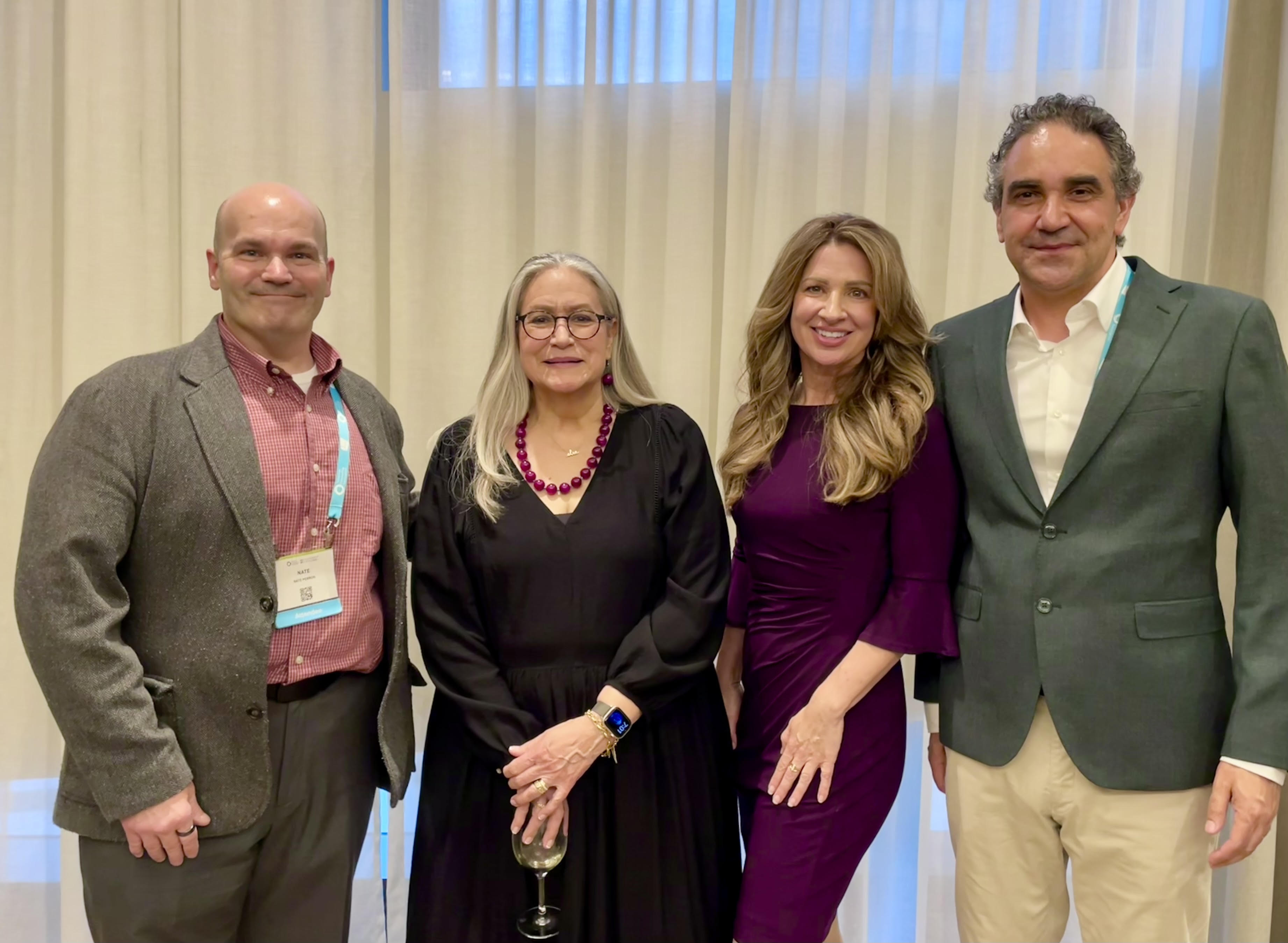
IAC represented the counseling profession at a UNESCO meeting of partner organizations on 17 April to discuss ways to advance ongoing collaborative efforts. In honor of World Press Freedom Day, the meeting focused on freedom of expression.IAC Secretary Nate Perron underscored the impact that challenges to freedom of expression have on mental health and called for suggestions of ways that IAC can collaborate further with UNESCO and partner organizations to support the need for mental health and counseling for individuals of diverse backgrounds, experiences, and identities.IAC continues to explore additional ways in which we can represent the counseling profession in supporting the efforts of other UNESCO partner NGOs.
 26/04/2023
 -
IAC was invited to send a representative to participate in a World Health Organization (WHO) training in Tunisia March 14-17. The training introduced EQUIP, a new mental health product that WHO is promoting to continue advancing the application of basic counseling and relational skills for mental health helpers and professionals. The 40+ representatives included experts from a variety of NGOs and world health associations. The participants provided feedback throughout the experience, and WHO offered clear efforts to improve the tool and understand the needs related to implementation of the tool across cultures.
The purpose and goals of the EQUIP are directly aligned with the objectives and mission of IAC, and summarized in the IAC vision: a world where counselling available to all. The EQUIP tool offers a thoughtful and practical way for training basic counseling and helping skills. This offers a promising strategy to make a significant impact in addressing global mental health needs, especially where professional services are limited or non-existent.
EQUIP is a competency-based program designed by WHO and UNICEF to enhance helping language to address mental health and wellness needs in ways that reflect the core elements of clinical mental health skills. The tool was developed particularly out of the work of Dr. Brandon Kohrt, psychiatrist and professor at George Washington University. The concepts related to this competency tool offer descriptions of counseling skills that are common to the profession, yet this resource offers operationalized descriptions to the competencies that are pertinent to mental health professionals, helpers, and counselors offering support in a variety of contexts.
The foundational tool of EQUIP is the ENACT tool that provides systematic, concrete supervision strategies and descriptions. Additional resources are available, which build off this initial strategy, including assessment tools, role-play narratives, role play videos, and others. EQUIP is a way for organizations to have some degree of understanding of training for competency among the unlicensed workforce with basic concepts, but it also offers deeper competency measures to enhance greater knowledge and depth of insight.
The WHO designs all their tools (including EQUIP) to be open access. EQUIP is a research-based tool that provides standardized training in easy-to-understand modules that explore skills within the context of role play scenarios. The material offers a strong rationale for why this relational and focused method can enhance necessary areas of development that may need further refinement. EQUIP focuses on 15 areas of competency to provide benchmarks to identify ways that practice ‘do no harm’ principles, and they provide other developing and advanced approaches within these target areas of competency. This open access resource is available on the WHO website: https://equipcompetency.org/en-gb, solely for the purposes of advancing the knowledge and application of appropriate clinical, counseling, and helping skills.
 25/04/2023
 -
LivingWorks and the International Association for Counselling (IAC) are pleased to announce their partnership in promoting suicide prevention on an international scale. LivingWorks is the leading provider of suicide prevention training programs, including Applied Suicide Intervention Skills Training (ASIST), safeTALK and Start. These evidence-based programs empower individuals and communities to identify and respond to individuals who may be experiencing thoughts of suicide. LivingWorks has trained over 2 million people in more than 35 countries and is supported by over 50 peer-reviewed research evaluations and studies. Through this partnership, LivingWorks and IAC aim to bring together their expertise and resources to create a shared vision of a world safer from suicide. Click HERE to read on..
 21/03/2023
 -
On February 24, the International Association for Counselling Executive Council unanimously approved its Universal Declaration of Ethical Principles for Professional Counsellors, written by IAC President Bill Borgen and IAC Secretary Nathan Perron.
IAC collaborated with counsellors and counselling associations from every region of the world to create this universal declaration. These principles, which provide a framework of shared human values, underscore the power of professional counselling to improve lives and reduce suffering. While recognizing different approaches to counselling conduct and practice internationally, the principles also provide a non-partisan approach to help legitimize and normalize access to mental health care around the world.
 07/03/2023
 -
IAC Europe News: Advocacy for Counselling -- Meeting the President of the European Parliament.
A meeting has been confirmed with the President of the European Parliament, Roberta Metsola, in Brussels, in April 2023.
As part of the important push for better recognition of the counselling profession in the European region, IAC Europe is embarking on renewed advocacy efforts. This activity sees IAC representatives meet with leaders of European institutions, intergovernmental bodies, government representatives, and other stakeholders. A region-wide strategy for IAC Europe is being developed and will identify best practice for advocacy policy and promotion. The associations participating in IAC Europe have an excellent opportunity to learn from each other.
The counselling profession also has much to learn from kindred professions that have successfully advocated for their professions (e.g. social work, mental health nursing, psychology). All research shows that advocacy is always more effective when associations -- with the same agendas and priorities -- collaborate rather than work individually. Active engagement with, and input to, European mental health and social policy will have a positive impact on the counselling profession. Being successful in regional public policy arenas, means associations being aware of current issues at both national and regional levels and knowing how to advocate effectively on issues that affect counsellors.
The meeting with President of the European Parliament, Roberta Metsola, is a significant high-level advocacy development and will be reported on in detail. A clear pathway for the formal recognition of the counselling profession in Europe needs to be identified.
 25/02/2023
 -
The annual ACA Conference and Expo takes place this year in Toronto, Canada, March 30-April 1, 2023. This large event provides an excellent opportunity for the international community that are attending to meet, network, and enjoy the world-class conference.
Expo Hall Booth
IAC will have an Expo booth where we will jointly exhibit with LivingWorks (a public service corporation focusing on suicide prevention). Please drop by the Expo Hall and say Hello!International Roundtable Meeting
Leaders of national associations that are attending the ACA conference in Toronto have been invited to attend an IAC Associations' Roundtable meeting on Saturday, April 1, 10:00 am-12:30 pm, at the Westin Harbour Castle Hotel. For further details please email IAC CEO Naoise Kelly.ACA International Committee Events
The American Counselling Associations's International committee is hosting an international panel and reception Friday, March, 31, 6:00-8:00 pm. 24/02/2023
 -
Türkiye and Syria Earthquakes
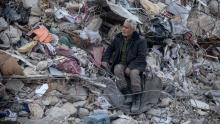
On 6 February 2023, a series of massive earthquakes struck south-eastern Türkiye near the border with the Syrian Arab Republic. These and hundreds of aftershocks caused significant destruction on each side of the border, claiming tens of thousands of lives, and leaving over one hundred thousand injured, across both countries. Much of the essential infrastructure, including health facilities, has been damaged or destroyed.
As an association, IAC wishes to extend a message of support and solidarity for the victims of the earthquakes that have devastated the region. All counsellors everywhere are thinking of those suffering through this terrible crisis. We particularly think of our many Turkish friends and counselling colleagues. We join in the United Nations call for sustained and safe access for the delivery of humanitarian assistance to Syria. We will offer all and any support we can in the mental health and psychosocial response. Follow updates from the International Red Cross HERE, and World Health Organization HERE.
 16/02/2023
 -
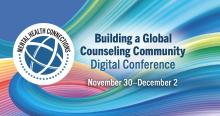
IAC was delighted to sponsor NBCC's third annual international virtual conference.
The National Board for Certified Counselors (NBCC) and the NBCC Foundation hosted its third annual international virtual conference, Mental Health Connections: Building a Global Counseling Community, November 30 – December 2, 2022. Presenters represented over 20 countries. Discussions highlighted an international perspective on topics such as counseling professionalization efforts and the state of mental health worldwide, mental health needs of and responses to international students and immigrants, as well as the challenges that helping professionals in other countries face. Over 300 counselors and mental health professionals registered for this year’s event.
IAC was proud to sponsor and support this event, which aligns directly with the association's mission. Next year’s NBCC Mental Health Connections conference is scheduled for November 29 – December 1, 2023.
 15/12/2022
 -
IAC welcomes Ethan Weston as our new IAC Regions and Roundtables Coordinator. Ethan comes on part-time secondment from the Canadian Counselling and Psychotherapy Association (CCPA), where he serves as a project coordinator. Ethan's work will engage counselling associations worldwide by bringing association leaders and officials together in each of the six IAC regions to help advance the profession. This work supports unified region-wide initiatives in the areas of Advocacy (for better recognition of counselling); Standards, Education and Practice; Partnership; Policy Development; and Research.
After graduating from Algonquin College with a specialty in Business Fundamentals, Ethan jointed CCPA as in administrator in the continuing education department. He went on to serve in various roles for CCPA's accrediting body, the Council on Accreditation of Counsellor Education Programs (CACEP), as well as in CCPA's Membership and Accounting Division.
CCPA is generously sponsoring Ethan's IAC work for two days per week for the next two years. If your national association would like to consider a similar placement/secondment of a staff member to IAC, we would be delighted to hear from you. Please contact ceo@iac-irtac.org.
 08/12/2022
- ‹ previous
- 3 of 8
- next ›